

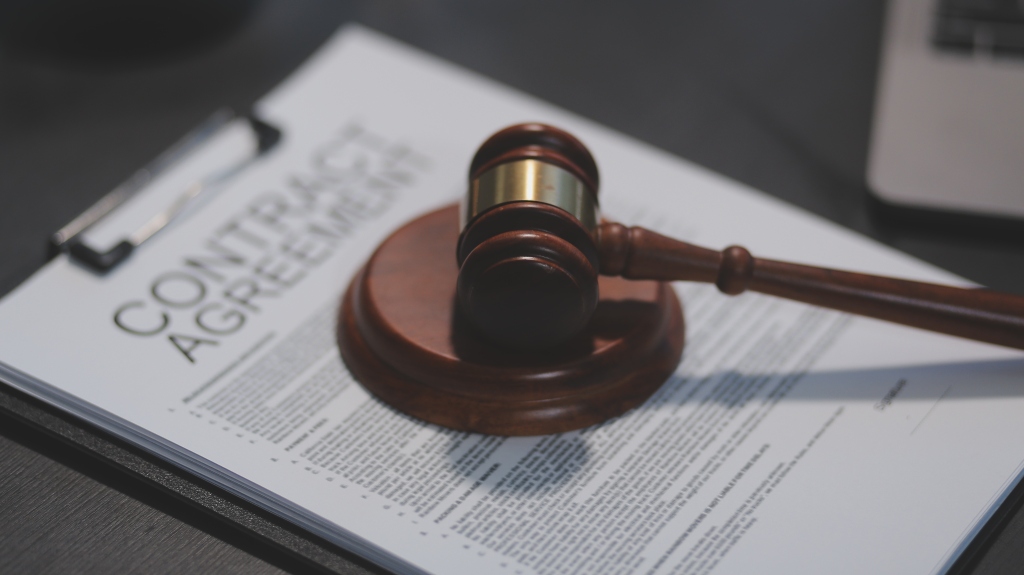
Contracts are the foundation of most business and personal transactions. Whether it’s entering a new partnership, hiring a contractor, or finalizing a service agreement, a well-drafted contract protects everyone involved. While this is usually the case, it’s still important to remember that even small mistakes can lead to serious disputes and possibly expensive lawsuits.
Using Vague or Ambiguous Language
One of the most common causes of contract disputes is if the wording is unclear. If terms are open to interpretation, each party could have a different understanding or idea of their obligations.
For example, using phrases like “reasonable time,” “best efforts,” or “as needed” can create some confusion if they’re not clearly defined. When any disagreements arise, courts can end up interpreting for themselves what the original message was intended to portray. This can lead to outcomes that neither side expected or hoped for.
Using clear, specific language is essential in making sure that everyone is on the same page.
Failing to Include Essential Terms
A contract that leaves out key details is a lawsuit waiting to happen. Missing terms can create gaps that lead to disputes over things like performance, payment, or responsibilities.
Important elements that should always be included are:
- Scope of work or services
- Payment terms and deadlines
- Timelines for completion
- Responsibilities of each party
- Conditions for termination
Without these details, enforcing the contract becomes much more difficult.
Not Putting Agreements in Writing
While verbal agreements can sometimes be legally binding, they are much harder to prove. Relying on a handshake deal or something informal increases the risk of misunderstandings and disputes.
Written contracts provide clear evidence of what was agreed upon and serve as a reference point if any issues arise. In many cases, certain types of agreements need to be in writing to be enforceable under Michigan law.
Ignoring Boilerplate Clauses
Boilerplate clauses like dispute resolution, governing law, and indemnification, can often times be overlooked, but they play a critical role in protecting your rights.
For example:
- A dispute resolution clause can determine whether conflicts are handled in court or through mediation or arbitration
- A governing law clause specifies which state’s laws apply
- An indemnification clause outlines who is responsible for certain risks or damages
Not Reviewing the Contract Carefully
Signing a contract without fully reviewing it is a common and potentially expensive mistake. Many people assume that the terms are standard or fair without taking the time to read the fine print.
Hidden fees, unfavorable terms, or one-sided obligations can very easily go unnoticed. Once signed, a contract is legally binding, and it can be difficult to back out of unfavorable terms.
Careful review, and when necessary, professional guidance, can prevent major issues later on.
Overlooking Breach and Remedy Provisions
Every contract should clearly outline what happens if one party fails to meet their obligations. Without these provisions, resolving a breach can become complicated and contentious.
A well-drafted contract should include:
- What constitutes a breach
- Notice requirements
- Opportunities to cure the breach
- Available remedies, like damages or termination
These terms help to manage disputes and reduce the likelihood of litigation.

Protecting Yourself with Strong Contracts
Contract mistakes are one of the leading causes of legal disputes, but they are also highly preventable. By using clear language, including all essential terms, and carefully reviewing every agreement, you can significantly reduce your risk of a lawsuit.
Taking the time to draft strong, thorough contracts, and seeking professional advice when needed can all help reduce your stress in the long run.
Consulting a Lawyer
Contracts can be complex, and even small mistakes can have significant consequences. Working with an experienced legal professional, like Duff Law, can help you avoid costly mistakes.
You should consider consulting a lawyer when:
- Drafting or reviewing important contracts
- Entering into high-value agreements
- Facing a potential contract dispute
- Unsure about specific legal terms or obligations
Legal guidance can help assure your contract is clear, enforceable, and aligns with your best interests.