

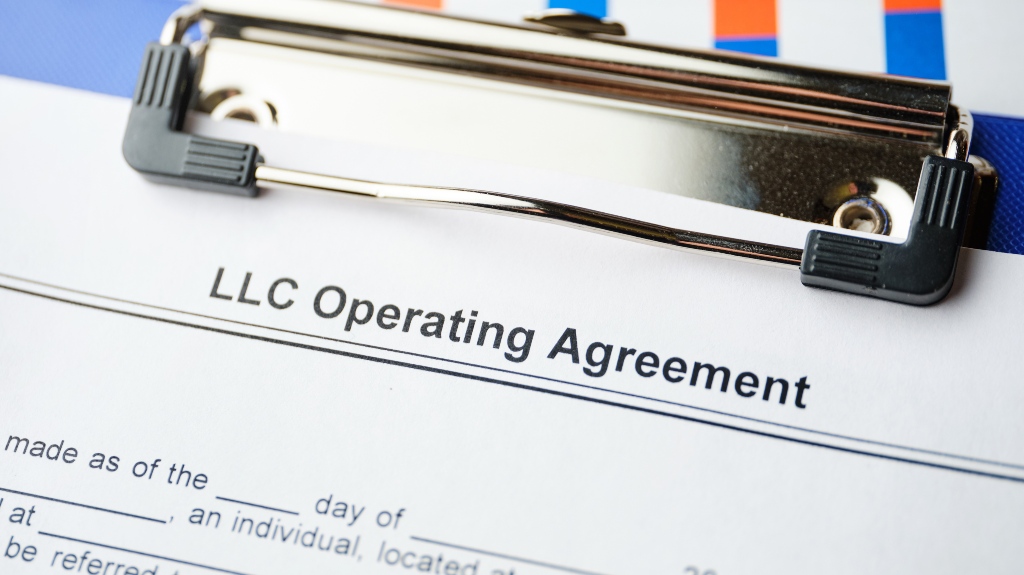
Forming a limited liability company (LLC) is a popular choice for Michigan business owners because it offers liability protection and operational flexibility. However, many entrepreneurs make the mistake of believing that filing their Articles of Organization is all they need to do.
One of the most important documents an LLC can have is an operating agreement. While Michigan law doesn’t require every LLC to maintain one, an operating agreement can help establish clear expectations, reduce the risk of disputes, and provide guidance for how the business will operate as it grows.
What Is an LLC Operating Agreement?
An operating agreement is a legal document that outlines how an LLC will be owned, managed, and operated. It serves as an internal contract among the members of the company, setting out the rules that govern the business and the relationships between its owners.
Even if an LLC has only one member, an operating agreement can provide valuable clarity by documenting how the business will be run and reinforcing the separation between the owner’s personal affairs and the company’s operations.
Why Every Michigan LLC Should Have One
Although an operating agreement is often associated with multi-member businesses, it can benefit virtually every LLC.
Without an operating agreement, your business will generally be governed by Michigan’s default LLC laws. While these rules provide a basic framework, they may not reflect how you want your company to operate.
A customized operating agreement allows business owners to establish rules that fit their unique goals, management style, and ownership structure rather than relying solely on statutory defaults.
Defining Ownership and Member Rights
One of the primary purposes of an operating agreement is to clearly identify who owns the company and what rights each member has.
The agreement typically addresses each member’s ownership interest, initial capital contributions, and the process for making future contributions if additional funding is needed.
Clearly documenting ownership from the outset can help reduce misunderstandings and provides a solid foundation as the business grows or new members are added.
Establishing Management Responsibilities
Not every LLC is managed the same way. Some companies are managed directly by their members, while others appoint one or more managers to oversee day-to-day operations.
An operating agreement should explain who has authority to make business decisions, enter into contracts, hire employees, and manage the company’s affairs. Defining these responsibilities early helps avoid confusion and minimizes the risk of internal disputes.
Planning for Profits, Losses, and Distributions
Financial expectations can become a source of conflict if they aren’t clearly addressed. An operating agreement should explain how profits and losses will be allocated among the members and when distributions will be made.
Rather than relying on assumptions, business owners can establish a clear process that reflects the financial goals of the company while providing transparency for everyone involved.
Preparing for Future Changes
A successful business will likely evolve over time. An operating agreement should anticipate future events and provide procedures for handling them.
For example, the agreement may address:
- Admitting new members
- Transferring ownership interests
- Member retirement or death
- Buyout procedures
- Dissolution of the LLC
Planning for these situations before they occur can help prevent costly disagreements and business interruptions.
Helping Protect Limited Liability

One of the primary advantages of forming an LLC is the liability protection that it can provide for its owners. While an operating agreement doesn’t create limited liability on its own, maintaining clear business records and following formal operating procedures can help demonstrate that the LLC is being treated as a separate legal entity.
Having a well-drafted operating agreement is a one factor that can reinforce proper business practices and strengthen the distinction between personal and business affairs.
Why Legal Guidance Matters
An operating agreement is one of the most important legal documents that an LLC can have. Working with an experienced firm like Duff Law can help business owners create an agreement that protects both the company and its members.