


Many part-time employees assume that they aren’t eligible for workers’ compensation benefits if they’re injured on the job. Because they work fewer hours or have a flexible schedule, they could believe that they have fewer legal protections than full-time workers.
In Michigan, however, workers’ compensation benefits aren’t limited to full-time employees. Part-time workers can still qualify for medical coverage and wage-loss benefits if they’re injured while performing job-related duties. Understanding your rights is essential if you’ve been hurt at work.
How Workers’ Compensation Works in Michigan
Michigan’s workers’ compensation system is designed to provide benefits to employees who suffer work-related injuries or illnesses. These benefits can include coverage for medical treatment, lost wages, and rehabilitation services.
The key issue is usually not whether you are a full-time or part-time employee, but whether the injury occurred in the course of your employment. If the injury is work-related and you qualify as an employee under Michigan law, you can still be eligible for benefits.
Part-Time Employees Can Still Qualify
Part-time workers are usually covered by workers’ compensation insurance in the same way as full-time employees. This includes workers in industries like retail, food service, healthcare, and office support.
If you were injured while performing duties related to your job, you can be entitled to benefits regardless of how many hours you work each week. Employers typically can’t deny benefits solely because an employee works part-time.
However, the amount of wage-loss benefits can differ depending on your earnings and work schedule.
What Benefits Can Part-Time Workers Receive?
Eligible part-time employees may receive many of the same benefits available to full-time workers.
These benefits may include:
- Payment for necessary medical treatment
- Wage-loss benefits if the injury prevents you from working
- Vocational rehabilitation in some situations
- Compensation for long-term or permanent injuries
The exact amount of compensation typically depends on factors such as your average weekly wage before the injury.
How Wage-Loss Benefits Are Calculated
One area where part-time status can impact a workers’ compensation claim is the calculation of wage-loss benefits. In Michigan, these benefits are usually based on your average weekly earnings before the injury occurred.
For part-time workers with fluctuating schedules or multiple jobs, determining average wages can sometimes become more complicated. Insurance companies can attempt to minimize benefits by focusing only on limited earnings or inconsistent hours.
Accurate wage documentation is important to ensure that benefits are properly calculated.
Challenges Part-Time Workers May Face
Although part-time workers may qualify for benefits, they sometimes face additional challenges during the claims process. Employers or insurance companies might argue that the worker wasn’t a true employee or that the injury wasn’t work related.
In some cases, part-time employees may also hesitate to report injuries because they fear losing hours or employment opportunities. Unfortunately, delaying a report can make a claim more difficult later on.
Understanding your rights can help you avoid some of these common issues.
The Importance of Reporting the Injury Quickly
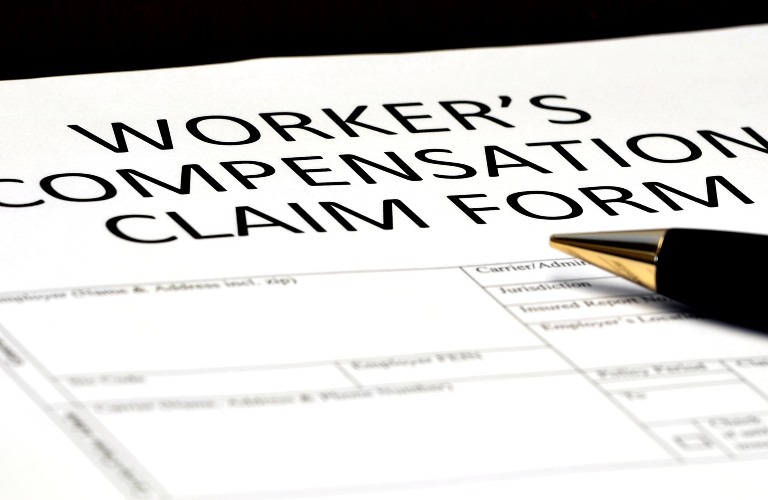
Regardless of employment status, reporting a workplace injury promptly is extremely important. In Michigan, delays in reporting can create complications and may raise questions about how or when the injury occurred.
Even if the injury initially seems minor, symptoms can worsen over time. Reporting the incident early helps to establish a clear connection between the injury and your job duties.
Seeking medical treatment quickly can also strengthen your claim and support your overall recovery.
Why Legal Guidance Can Help
Workers’ compensation claims can become complicated, especially when employers or insurers dispute a part-time worker’s eligibility. Thankfully, the Michigan state law doesn’t bar part-time workers from receiving necessary benefits. Working with an experienced firm like Duff Law can help injured employees gain a better understanding of their rights and options.
An attorney can help gather evidence, calculate lost wages properly, and address disputes with insurance companies. Having experienced legal support can improve your ability to pursue the benefits that you deserve.